

Plastic Raw Material PVC
Release Time:
Apr 15,2025
Polyvinyl chloride, commonly known as PVC, is one of the most widely used plastic raw materials in the world. It has a unique set of characteristics that have made it an essential component in numerous industries.
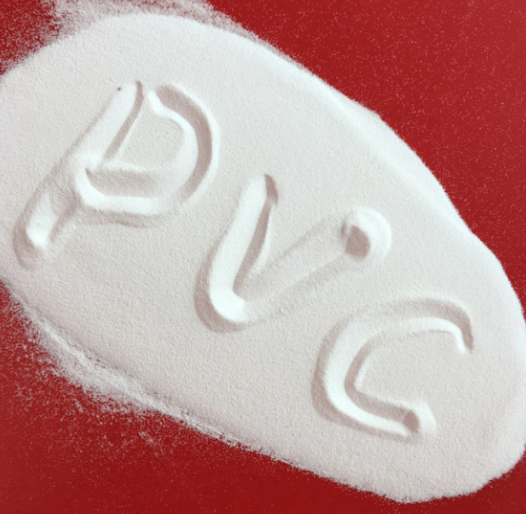
Plastic Raw Material PVC:Polyvinyl chloride, commonly known as PVC, is one of the most widely used plastic raw materials in the world. It has a unique set of characteristics that have made it an essential component in numerous industries.
I. Chemical Structure and Properties
PVC is a polymer made from the monomer vinyl chloride (CH₂=CHCl). It has a relatively simple chemical structure, yet this structure endows it with remarkable properties. One of the most notable features of PVC is its rigidity. Depending on the formulation, PVC can range from being very rigid to semi - flexible. This makes it suitable for a variety of applications, from hard pipes to flexible electrical cables.
PVC also has excellent chemical resistance. It can withstand the action of many acids, bases, and solvents. This property is crucial for its use in applications such as chemical storage tanks and pipes for transporting corrosive fluids. In addition, PVC has good electrical insulation properties. It is widely used in the electrical industry for making wire and cable sheathing, preventing electrical leakage and ensuring safety.
II. Production and Modification
The production of PVC involves the polymerization of vinyl chloride monomers. This can be carried out through different methods, such as suspension polymerization, emulsion polymerization, and bulk polymerization. Suspension polymerization is the most commonly used method, which results in PVC particles with a relatively uniform size.
PVC can be further modified to enhance its properties. For example, the addition of plasticizers can increase its flexibility. Plasticizers are small molecules that can be inserted between the polymer chains, reducing the intermolecular forces and making the material more pliable. However, the use of plasticizers has also raised some environmental and health concerns in recent years, especially with regard to certain types of phthalate - based plasticizers.
Keywords:
You Can Also Learn More About Industry Trends





No. 1-15, Fuzi No. 1, Kailuo Road, Taojia Town, Jiulongpo District, Chongqing
Phone/Whatsapp:
E-mail:
Main Business
Producing Various High-Quality Anatase And Rutile Titanium Dioxide.
Find The Products You Need Quickly
Quick Nav