

Understanding Rutile Sand 94%: Its Importance in Modern Chemical Applications
Release Time:
Dec 19,2025
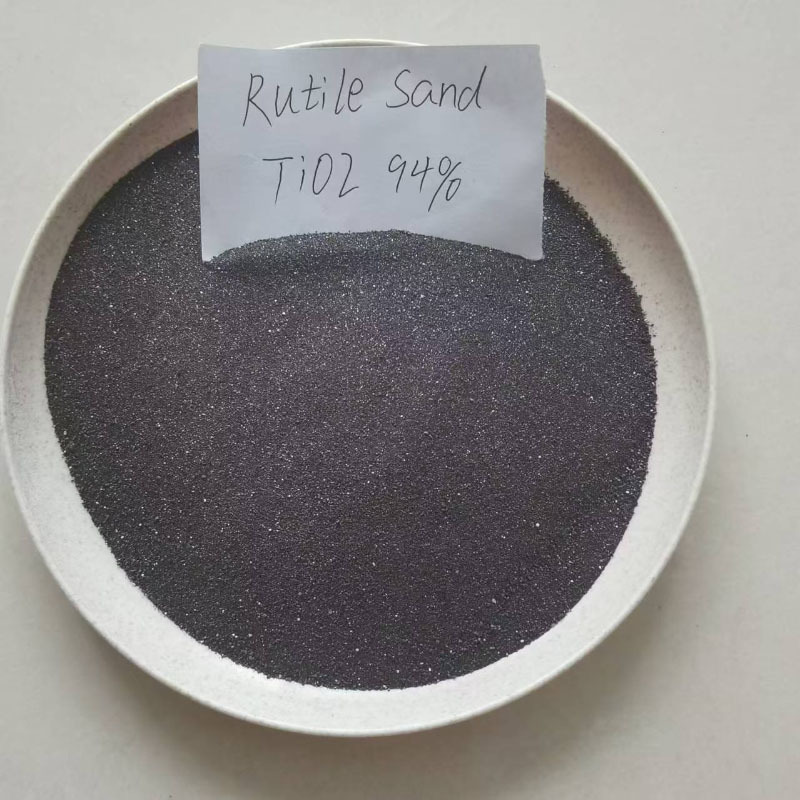
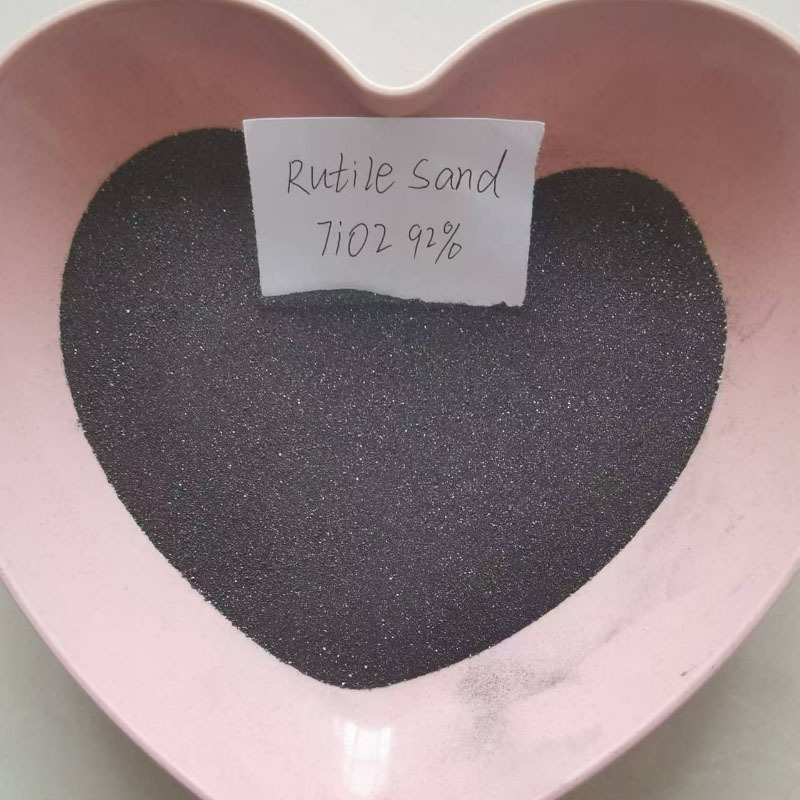
Rutile Sand 94% is a naturally occurring mineral composed primarily of titanium dioxide (TiO2) and is renowned for its high purity and unique properties. As a vital component in various industrial applications, this specific grade of rutile sand offers numerous advantages that make it indispensable in the chemical industry. One of the standout features of Rutile Sand 94% is its exceptional chemica
One of the standout features of Rutile Sand 94% is its exceptional chemical stability. This stability allows it to withstand harsh processing conditions, making it ideal for use in high-temperature applications. Furthermore, its resistance to chemical reactions ensures that it retains its integrity even when exposed to aggressive agents. This property is particularly valuable in the production of pigments, coatings, and plastics, where maintaining color and performance is crucial.
In addition to its durability, Rutile Sand 94% has a high refractive index, which contributes to its effectiveness as a white pigment. Its ability to scatter light makes it an essential ingredient in paints, coatings, and plastics, providing brightness and opacity. This characteristic enhances the visual appeal of products while improving their overall performance. Industries that rely on high-quality aesthetics, such as automotive and consumer goods, benefit significantly from incorporating Rutile Sand 94% into their formulations.
Moreover, Rutile Sand 94% plays a critical role in the production of titanium metal and alloys. Due to its high titanium content, it serves as a primary feedstock in the extraction of titanium, which is increasingly used in aerospace, medical, and industrial applications. The lightweight and strength of titanium make it an attractive material for various advanced applications, underscoring the importance of Rutile Sand 94% in the supply chain.
Another essential aspect to consider is the environmental impact of using Rutile Sand 94%. As a naturally sourced material, it often requires less energy for processing compared to synthetic alternatives, making it a more sustainable choice for manufacturers. The growing emphasis on eco-friendly practices in the chemical industry has led to an increased interest in naturally occurring materials like Rutile Sand 94%, as organizations seek to reduce their carbon footprint.
In conclusion, Rutile Sand 94% is a versatile and valuable raw material that significantly contributes to various sectors within the chemical industry. Its superior properties, including chemical stability, high refractive index, and role in titanium production, make it an essential component for a wide range of applications. As industries continue to evolve and prioritize sustainability, the demand for high-quality materials like Rutile Sand 94% is likely to grow, reinforcing its importance in future innovations within the field.
Keywords:
You Can Also Learn More About Industry Trends

No. 122, Xinjian Road, Tongguanyi Town, Jiulongpo District, Chongqing City,China
Phone/Whatsapp:
E-mail:
Main Business
Producing Various High-Quality Anatase And Rutile Titanium Dioxide.
Find The Products You Need Quickly
Quick Nav