

Rutile Sand 95%: A Comprehensive Exploration of Its Composition, Benefits, and Applications
Release Time:
Nov 28,2025
Rutile Sand 95%: A Deep Dive into Its Composition and Benefits Table of Contents 1. Introduction to Rutile Sand 95% 2. Composition of Rutile Sand: Understanding Its Structure 3. Benefits of Using Rutile Sand 95% 4. Key Applications of Rutile Sand in Various Industries 5. Environmental Impact and Sustainability of Rutile Sand 6. Rutile Sand vs. Other Minerals: A Comparative
Rutile Sand 95%: A Deep Dive into Its Composition and Benefits
Table of Contents
- 1. Introduction to Rutile Sand 95%
- 2. Composition of Rutile Sand: Understanding Its Structure
- 3. Benefits of Using Rutile Sand 95%
- 4. Key Applications of Rutile Sand in Various Industries
- 5. Environmental Impact and Sustainability of Rutile Sand
- 6. Rutile Sand vs. Other Minerals: A Comparative Analysis
- 7. Sourcing and Procurement of High-Quality Rutile Sand
- 8. Frequently Asked Questions about Rutile Sand 95%
- 9. Conclusion
1. Introduction to Rutile Sand 95%
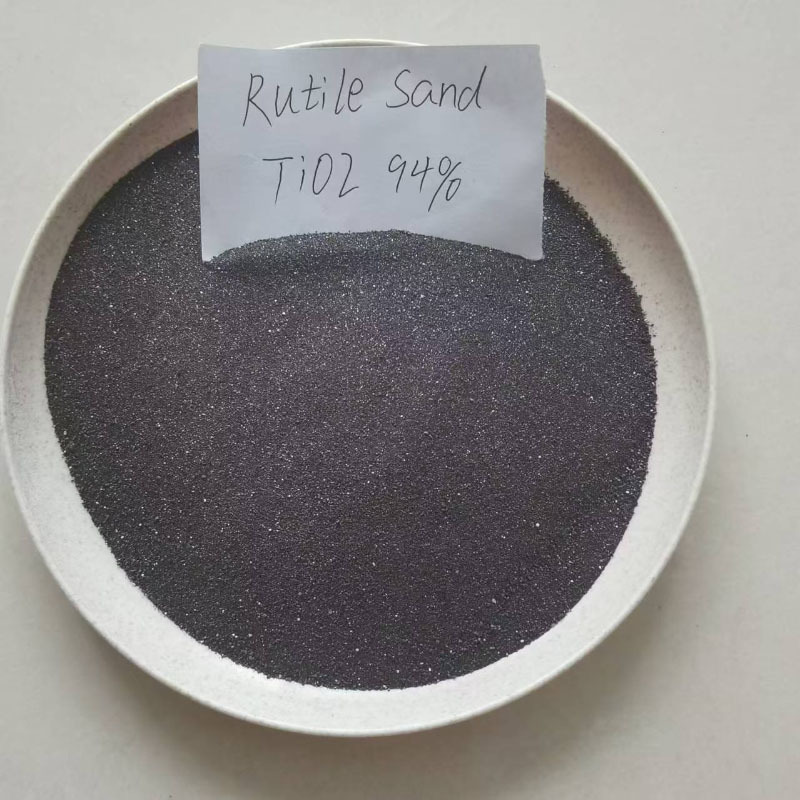
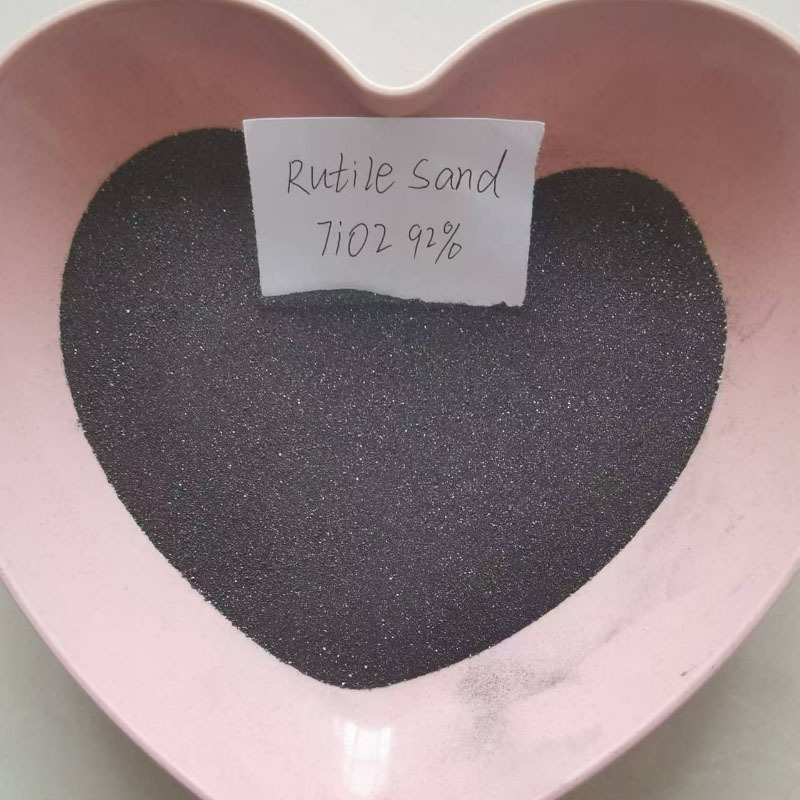
Rutile Sand 95% is a naturally occurring mineral composed primarily of titanium dioxide (TiO2) in its most stable form. Renowned for its high purity, Rutile Sand is predominantly found in beach sands and sedimentary deposits. With a purity level of 95%, this mineral excels in numerous applications, including ceramics, paints, plastics, and even electronics. In this article, we will conduct an in-depth exploration of Rutile Sand's composition, benefits, and extensive applications across multiple industries.
2. Composition of Rutile Sand: Understanding Its Structure
Rutile Sand is primarily made up of titanium dioxide (TiO2), which forms the backbone of its chemical structure. Here are some key components that contribute to its unique characteristics:
2.1 Titanium Dioxide (TiO2)
The principal component of Rutile Sand, TiO2, is recognized for its high refractive index and excellent UV resistance. It is one of the most widely used white pigments in the world, valued for its opacity and brightness.
2.2 Trace Elements
In addition to TiO2, Rutile Sand may contain trace amounts of other minerals such as iron oxide, zircon, and silica. These elements can influence the color and properties of the sand, often enhancing its application suitability.
2.3 Crystal Structure
Rutile has a tetragonal crystal structure, which contributes to its stability and durability. The arrangement of atoms within this structure also plays a significant role in determining its optical and physical properties.
3. Benefits of Using Rutile Sand 95%
The selection of Rutile Sand 95% for industrial applications is not arbitrary; its unique properties offer numerous advantages, including:
3.1 High Purity and Performance
With a purity of 95%, Rutile Sand ensures consistent performance in applications where high-quality raw materials are essential. This level of purity reduces impurities that could adversely affect product performance.
3.2 Excellent UV Resistance
Rutile Sand exhibits superior resistance to UV radiation, making it an ideal choice for outdoor applications such as coatings and plastics. This resistance helps to prolong the lifespan of products and maintain their aesthetic quality over time.
3.3 Enhanced Opacity and Whiteness
The high refractive index of Rutile Sand provides excellent opacity, making it an ideal pigment for paints, coatings, and plastics. This property results in vibrant colors and improved coverage, reducing the need for multiple coats.
3.4 Versatility in Applications
Rutile Sand can be utilized in a multitude of industries, including construction, electronics, and cosmetics. Its versatility makes it an indispensable resource for manufacturers seeking high-performance materials.
4. Key Applications of Rutile Sand in Various Industries
Rutile Sand 95% serves as a crucial component across various sectors. Below are some prominent applications:
4.1 Paints and Coatings
In the paint and coatings industry, Rutile Sand is used as a pigment due to its opacity and UV resistance. It enhances the durability and appearance of coatings, making it a preferred choice among manufacturers.
4.2 Plastics
Rutile Sand is commonly used in the plastic industry to improve color consistency and processability. Its incorporation into plastic formulations enhances mechanical properties and contributes to a higher-quality end product.
4.3 Ceramics
In ceramics, Rutile Sand is utilized as a flux and pigment. Its ability to withstand high temperatures makes it suitable for both traditional and advanced ceramic applications.
4.4 Electronics
In the electronics sector, Rutile Sand is used in the production of capacitors and other components due to its excellent dielectric properties. The high purity level of Rutile Sand ensures reliable electrical performance.
4.5 Cosmetics
Rutile Sand is also found in cosmetic products as a pigment and thickening agent. Its safe use in personal care formulations makes it a popular choice for manufacturers focusing on skin-friendly ingredients.
5. Environmental Impact and Sustainability of Rutile Sand
The environmental impact of mining and utilizing Rutile Sand is a critical consideration. Sustainable practices in extraction and processing are essential to minimize ecological disruption.
5.1 Responsible Mining Practices
Implementing responsible mining practices helps reduce habitat destruction and preserve biodiversity. Companies focusing on sustainable mining techniques prioritize environmental restoration and community engagement.
5.2 Recycling and Reuse
Efforts are underway to promote the recycling of Rutile Sand from industrial waste. By reusing materials, manufacturers can reduce their environmental footprint while maintaining product quality.
5.3 Life Cycle Assessment (LCA)
Conducting a life cycle assessment of Rutile Sand products can provide insights into their environmental impact from extraction to disposal. This holistic approach enables manufacturers to identify areas for improvement.
6. Rutile Sand vs. Other Minerals: A Comparative Analysis
To fully appreciate the advantages of Rutile Sand, it is essential to compare it with other minerals used in similar applications.
6.1 Rutile vs. Ilmenite
While both minerals contain titanium, Rutile Sand typically has a higher TiO2 content compared to Ilmenite, resulting in better pigment properties and performance in applications.
6.2 Rutile vs. Anatase
Anatase, another form of titanium dioxide, offers different properties compared to Rutile. Rutile Sand is more thermally stable and preferred for high-temperature applications.
7. Sourcing and Procurement of High-Quality Rutile Sand
Obtaining high-quality Rutile Sand is crucial for manufacturers seeking to enhance product performance. Below are some considerations for effective sourcing.
7.1 Choosing Reliable Suppliers
Selecting reputable suppliers who prioritize quality control and sustainability can ensure a steady supply of Rutile Sand meeting industry standards.
7.2 Certification and Compliance
Verifying that suppliers comply with necessary environmental regulations and possess relevant certifications can provide peace of mind regarding the quality and origin of Rutile Sand.
7.3 Cost Considerations
While quality is paramount, understanding the cost structure of Rutile Sand is also essential for manufacturers. Costs may vary based on purity level, processing methods, and supplier agreements.
8. Frequently Asked Questions about Rutile Sand 95%
8.1 What is Rutile Sand primarily used for?
Rutile Sand is mainly used in paints, coatings, plastics, ceramics, electronics, and cosmetics due to its high purity and excellent properties.
8.2 How does Rutile Sand differ from other titanium minerals?
Rutile Sand has a higher titanium dioxide content and greater thermal stability compared to Ilmenite and Anatase, making it more suitable for various applications.
8.3 Is Rutile Sand environmentally friendly?
When sourced responsibly, Rutile Sand can be environmentally sustainable. Companies are increasingly adopting practices to minimize ecological impact during extraction and processing.
8.4 Can Rutile Sand be recycled?
Yes, Rutile Sand can be recycled from industrial waste, contributing to sustainability efforts and reducing the overall environmental footprint.
8.5 How do I choose a supplier for Rutile Sand?
Look for suppliers with a proven track record, adherence to quality standards, and commitment to sustainable practices when sourcing Rutile Sand.
9. Conclusion
Rutile Sand 95% stands out as a vital mineral with a myriad of applications across various industries. Its exceptional composition, characterized by high purity, UV resistance, and versatility, makes it a preferred choice for manufacturers worldwide. As industries continue to prioritize sustainability, the importance of responsibly sourced Rutile Sand becomes increasingly evident. By understanding its benefits and applications, we can harness Rutile Sand's potential to create innovative, high-quality products that meet today's demanding market requirements.
Keywords:
You Can Also Learn More About Industry Trends

No. 122, Xinjian Road, Tongguanyi Town, Jiulongpo District, Chongqing City,China
Phone/Whatsapp:
E-mail:
Main Business
Producing Various High-Quality Anatase And Rutile Titanium Dioxide.
Find The Products You Need Quickly
Quick Nav