

Rutile Sand: Transforming the Future of Chemical Manufacturing
Release Time:
Dec 04,2024
Rutile Sand: Transforming the Future of Chemical Manufacturing Table of Contents 1. Introduction to Rutile Sand 2. Unique Properties of Rutile Sand 3. Applications of Rutile Sand in Chemical Manufacturing 4. Benefits of Using Rutile Sand 5. Sustainability and Environmental Impact 6. The Future of Rutile Sand in Manufacturing 7. Challenges in the Use of Rutile Sand
Rutile Sand: Transforming the Future of Chemical Manufacturing
Table of Contents
- 1. Introduction to Rutile Sand
- 2. Unique Properties of Rutile Sand
- 3. Applications of Rutile Sand in Chemical Manufacturing
- 4. Benefits of Using Rutile Sand
- 5. Sustainability and Environmental Impact
- 6. The Future of Rutile Sand in Manufacturing
- 7. Challenges in the Use of Rutile Sand
- 8. Frequently Asked Questions
- 9. Conclusion
1. Introduction to Rutile Sand
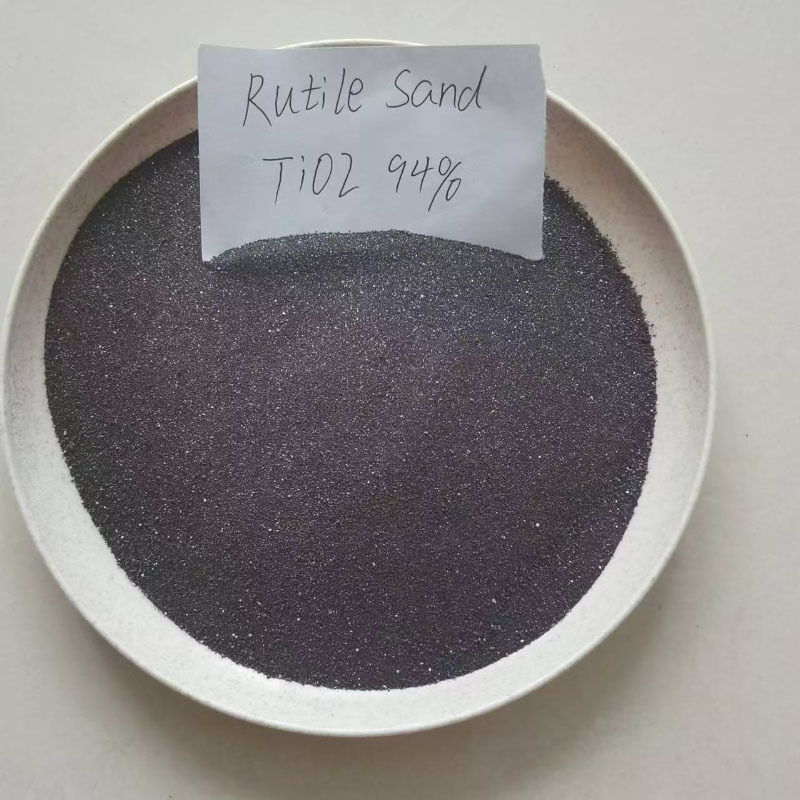
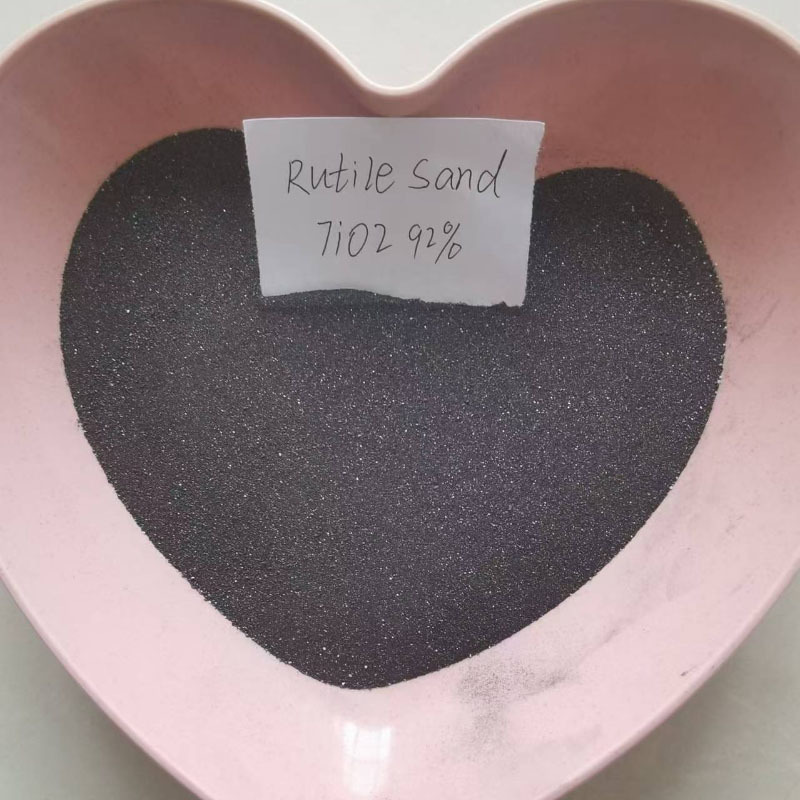
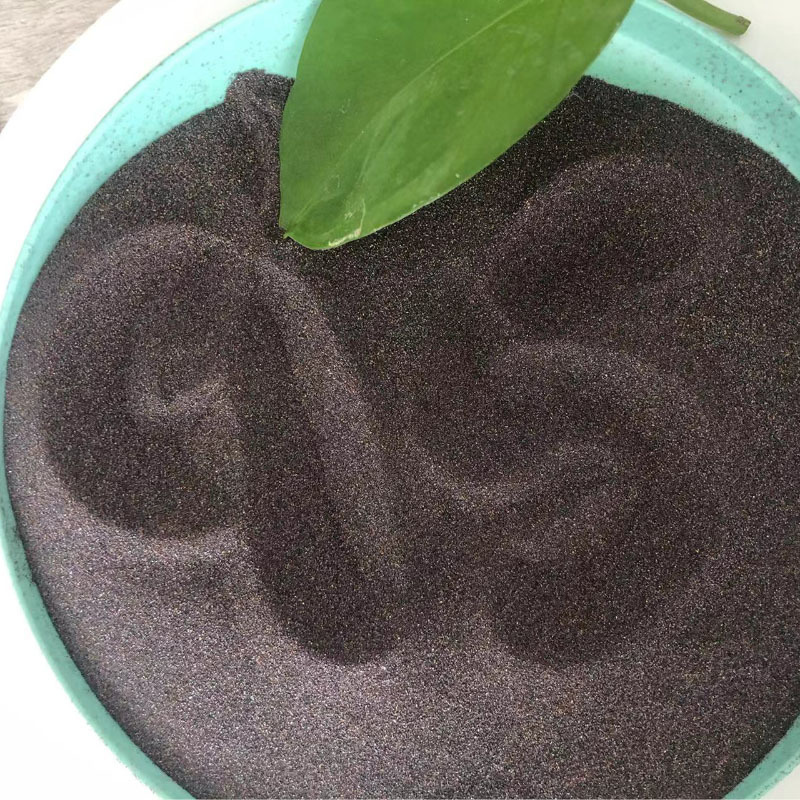
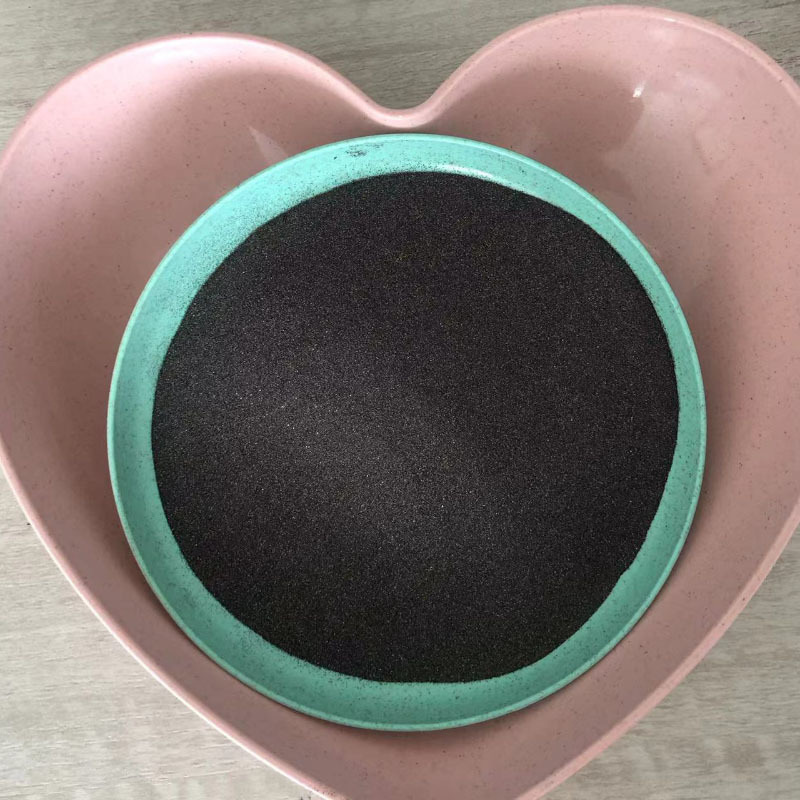
Rutile sand, a naturally occurring mineral composed primarily of titanium dioxide (TiO2), has emerged as a significant player in the chemical manufacturing industry. Known for its high refractive index and excellent UV resistance, rutile sand is transforming traditional production methods. This article delves into the unique characteristics, applications, and future prospects of rutile sand, highlighting its role in enhancing chemical manufacturing.
2. Unique Properties of Rutile Sand
Rutile sand possesses several distinctive properties that contribute to its effectiveness in various applications:
2.1 High Purity and Quality
One of the standout features of rutile sand is its high purity. With titanium dioxide content often exceeding 95%, it provides a reliable source for producing high-quality titanium-based products. This purity is essential for applications requiring stringent quality standards.
2.2 Thermal Stability
Rutile sand exhibits remarkable thermal stability, making it suitable for use in high-temperature processes. This stability allows it to maintain its properties under extreme conditions, which is critical for various manufacturing processes.
2.3 Excellent Opacity and Refractive Index
With a high refractive index, rutile sand enhances the opacity and brightness of products. This property is particularly valuable in coatings, plastics, and pigments, where color and brightness are paramount.
2.4 Chemical Resistance
Rutile sand is resistant to acids and alkalis, making it ideal for use in harsh chemical environments. This resilience ensures longevity and durability in end products, which is essential for industrial applications.
3. Applications of Rutile Sand in Chemical Manufacturing
The versatility of rutile sand allows it to be utilized in various sectors of chemical manufacturing:
3.1 Pigment Production
Rutile sand is a primary source for titanium dioxide pigments, widely used in paints, coatings, and plastics. Its superior whiteness and opacity make it an ideal choice for achieving vibrant and durable colors.
3.2 Ceramics and Glass
In the ceramics and glass industry, rutile sand serves as a flux, reducing melting temperatures and improving the flow of materials during production. This application results in stronger and more resilient ceramic products.
3.3 Additives in Plastics
Rutile sand is increasingly used as a filler and additive in various plastic formulations. Its properties enhance the strength, durability, and UV resistance of plastic products.
3.4 Advanced Materials
As the demand for advanced materials grows, rutile sand is being incorporated into innovative formulations, including nanocomposites and functional coatings. Its unique properties contribute to the development of high-performance materials.
4. Benefits of Using Rutile Sand
Utilizing rutile sand in chemical manufacturing offers numerous advantages:
4.1 Enhanced Product Quality
The high purity and unique properties of rutile sand significantly enhance the quality of final products. This improvement leads to higher customer satisfaction and market competitiveness.
4.2 Cost-Effectiveness
While the initial cost of rutile sand may be higher than alternative materials, its durability and longevity can lead to cost savings in the long run. Reduced maintenance and product replacement costs add to its economic appeal.
4.3 Performance Improvement
Integrating rutile sand into manufacturing processes can boost performance metrics, such as strength, resistance to UV degradation, and thermal stability. This enhancement ensures that products meet industry standards and customer expectations.
5. Sustainability and Environmental Impact
Sustainability is a critical consideration in modern manufacturing practices. Rutile sand contributes positively to environmental goals:
5.1 Eco-Friendly Source
Rutile is naturally sourced and does not require extensive chemical processing, making it a more environmentally friendly choice compared to synthetic alternatives. This aspect aligns with the growing trend towards sustainable manufacturing.
5.2 Reducing Carbon Footprint
By utilizing rutile sand in manufacturing processes, companies can reduce their carbon footprint. The thermal stability and chemical resistance of rutile sand can lead to lower energy consumption during production.
5.3 Recycling and Reusability
Products made with rutile sand often have a longer lifespan, reducing waste and the need for frequent replacements. Additionally, some formulations allow for recycling, further promoting sustainability.
6. The Future of Rutile Sand in Manufacturing
The future of rutile sand in chemical manufacturing looks promising, driven by ongoing research and innovation:
6.1 Technological Advancements
As technology evolves, new methods for processing and utilizing rutile sand will emerge. Innovations in nanotechnology and material science may unlock further applications and enhance existing processes.
6.2 Market Demand Growth
The increasing demand for eco-friendly and high-performance materials will likely drive the growth of rutile sand applications across various industries. This trend positions rutile sand as a key player in the future of chemical manufacturing.
6.3 Development of New Formulations
Ongoing research into new formulations incorporating rutile sand will expand its applicability. This exploration will lead to innovative products that meet emerging market needs.
7. Challenges in the Use of Rutile Sand
Despite its numerous benefits, the use of rutile sand also presents some challenges:
7.1 Supply Chain Issues
Dependence on natural resources for rutile sand can lead to supply chain vulnerabilities. Fluctuations in availability and price can impact manufacturing processes and costs.
7.2 Competition with Synthetic Alternatives
As industries seek cost-effective solutions, rutile sand faces competition from synthetic alternatives. Manufacturers must highlight the long-term benefits and unique properties to maintain market share.
7.3 Environmental Regulations
Stricter environmental regulations may affect mining and processing practices related to rutile sand. Manufacturers must remain compliant while balancing sustainable practices with production needs.
8. Frequently Asked Questions
8.1 What is rutile sand used for?
Rutile sand is primarily used in the production of titanium dioxide pigments, ceramics, glass, plastics, advanced materials, and coatings.
8.2 How does rutile sand improve product quality?
Rutile sand enhances product quality through its high purity, opacity, and thermal stability, leading to stronger and more durable products.
8.3 Is rutile sand environmentally friendly?
Yes, rutile sand is considered environmentally friendly as it is a naturally occurring mineral that requires minimal processing compared to synthetic alternatives.
8.4 What industries benefit from rutile sand?
Industries such as paints and coatings, ceramics, plastics, and advanced materials significantly benefit from the unique properties of rutile sand.
8.5 What are the future prospects for rutile sand in manufacturing?
The future of rutile sand in manufacturing is promising, with potential growth driven by technological advancements, increasing market demand, and the development of innovative formulations.
9. Conclusion
In summary, rutile sand is poised to revolutionize the chemical manufacturing landscape. Its unique properties, diverse applications, and environmental benefits make it an ideal choice for various industries. As manufacturers seek sustainable and high-performance materials, rutile sand will undoubtedly play a pivotal role in shaping the future of chemical production, driving innovation and enhancing product quality on a global scale.
Keywords:
You Can Also Learn More About Industry Trends

No. 1-15, Fuzi No. 1, Kailuo Road, Taojia Town, Jiulongpo District, Chongqing
Phone/Whatsapp:
E-mail:
Main Business
Producing Various High-Quality Anatase And Rutile Titanium Dioxide.
Find The Products You Need Quickly
Quick Nav