

Applications of 92% Rutile Sand in Various Industrial Sectors
Release Time:
Jan 12,2025
Applications of 92% Rutile Sand in Various Industrial Sectors Introduction to Rutile Sand and Its Significance Rutile sand, primarily composed of titanium dioxide (TiO2), is widely recognized for its high purity and unique properties. With an impressive purity level of 92%, rutile sand is an essential raw material in various industrial applications. This article delves into the diverse uses of 9
Applications of 92% Rutile Sand in Various Industrial Sectors
Introduction to Rutile Sand and Its Significance
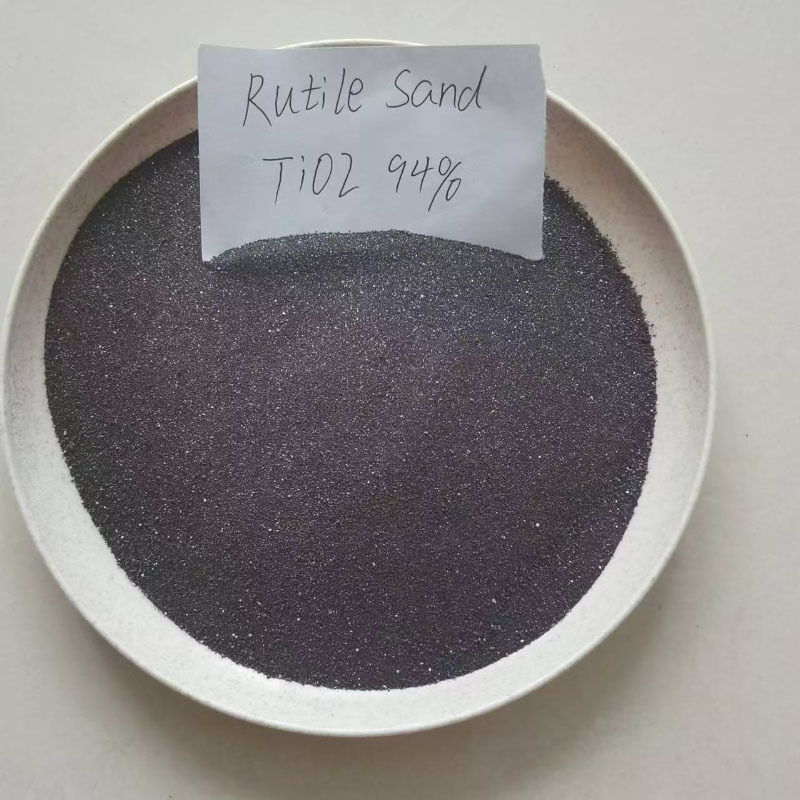
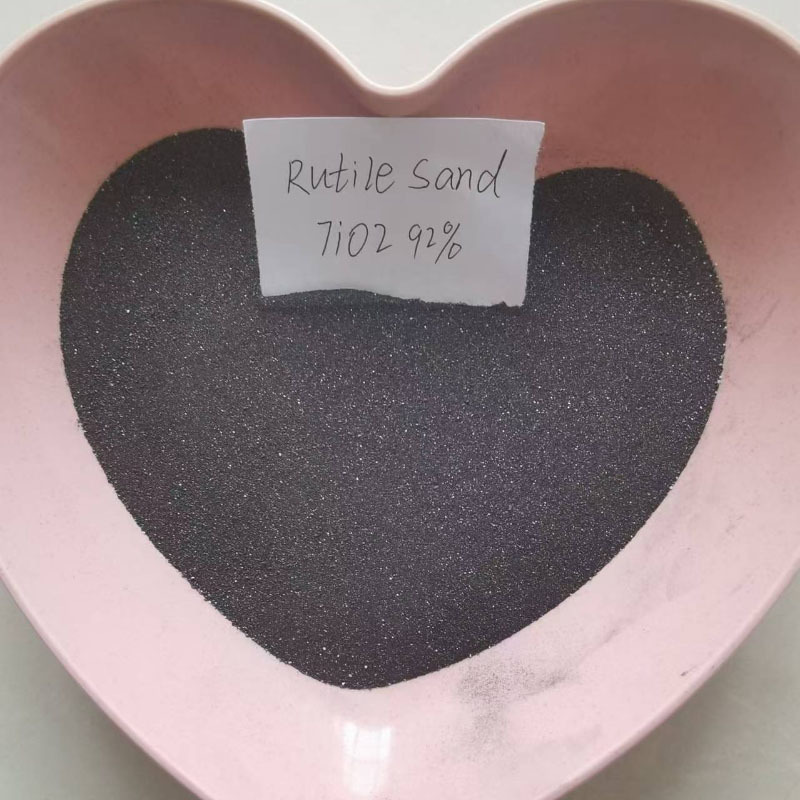
Rutile sand, primarily composed of titanium dioxide (TiO2), is widely recognized for its high purity and unique properties. With an impressive purity level of 92%, rutile sand is an essential raw material in various industrial applications. This article delves into the diverse uses of 92% rutile sand across multiple sectors, highlighting its benefits, characteristics, and the technologies that harness its potential.
Understanding the Composition and Characteristics of 92% Rutile Sand
Rutile sand contains a crystalline structure that contributes to its exceptional properties, including high refractive index, thermal stability, and resistance to corrosion. Its unique composition not only enhances its performance but also makes it a preferred choice in applications ranging from pigments to aerospace components.
Key Properties of 92% Rutile Sand
- **High Purity Level**: With 92% TiO2, rutile sand exhibits minimal impurities, ensuring quality in applications.
- **Thermal Stability**: Retains structural integrity under extreme temperatures, essential for industrial processes.
- **Chemical Inertness**: Resistant to chemical reactions, making it suitable for various chemical applications.
- **Refractive Index**: High refractive properties enhance visibility and aesthetic appeal in pigments and coatings.
Industrial Applications of 92% Rutile Sand
The versatility of 92% rutile sand makes it a valuable asset across numerous industries. Below, we explore its key applications in detail.
1. Pigment Production
One of the primary uses of rutile sand is in the production of pigments, particularly titanium dioxide pigments. These pigments are widely utilized in paints, coatings, and plastics due to their excellent hiding power, durability, and resistance to UV light. The high whiteness and opacity of 92% rutile sand enable manufacturers to produce vibrant and long-lasting colors.
Benefits in Pigment Manufacturing
- **Enhanced Color Stability**: Rutile pigments maintain their color under intense light exposure.
- **Improved Coverage**: High opacity ensures fewer coats are needed, saving time and resources.
- **Environmental Resistance**: Resistant to fading and chalking, increasing product lifespan.
2. Construction and Building Materials
In the construction industry, 92% rutile sand is an essential component in the formulation of various building materials. From concrete to asphalt, its unique properties contribute to improving the strength and durability of construction products.
Applications in Construction
- **Cement and Concrete**: Enhances compressive strength and prevents cracking.
- **Asphalt**: Improves flexibility and resistance to deformation under heat.
- **Ceramics**: Used in producing tiles and sanitary ware due to its thermal stability.
3. Metallurgical Applications
Rutile sand plays a crucial role in metallurgy, particularly in the production of titanium and titanium alloys. Its high purity levels make it an ideal feedstock for producing high-performance titanium products used in aerospace, automotive, and medical applications.
Importance in Metallurgy
- **Titanium Production**: Serves as a primary source of titanium in metallurgical processes.
- **Alloy Strengthening**: Enhances the mechanical properties of titanium alloys, making them suitable for high-stress applications.
- **Heat Resistance**: Essential for components exposed to extreme temperatures, such as turbine blades.
Advanced Applications of 92% Rutile Sand
Beyond conventional uses, 92% rutile sand continues to find applications in cutting-edge technologies. Its unique properties make it a pivotal material in several advanced industrial processes.
4. Electronics and Semiconductor Industry
In the electronics sector, rutile sand is utilized in producing high-purity titanium dioxide, critical for manufacturing capacitors and other electronic components. Its electrical properties contribute to improving the efficiency and functionality of electronic devices.
Role in Electronics Manufacturing
- **Insulation**: Provides excellent electrical insulation in various electronic applications.
- **Capacitors**: Used in the production of capacitors that require high-performance materials.
5. Environmental Applications
The environmental sector increasingly utilizes rutile sand to produce photocatalysts for water and air purification. Its photocatalytic properties contribute to reducing pollutants and creating a cleaner environment.
Contribution to Environmental Technology
- **Air Purification Systems**: Enhances the efficiency of air purification systems by breaking down harmful pollutants.
- **Water Treatment**: Used in advanced filtration systems to remove contaminants from water sources.
Benefits of Using 92% Rutile Sand Across Industries
The use of 92% rutile sand presents several advantages that enhance product performance and sustainability across various industrial applications.
1. Cost-Effectiveness
With its high purity and effectiveness, 92% rutile sand reduces the need for additional materials, lowering overall production costs.
2. Enhanced Product Quality
Industrial products made with rutile sand exhibit superior characteristics, including increased durability and aesthetic appeal.
3. Sustainability
Utilizing rutile sand contributes to eco-friendly practices, as it reduces the need for harmful additives and promotes recycling in various processes.
Challenges in the Use of 92% Rutile Sand
Despite its numerous benefits, the use of 92% rutile sand also presents challenges that industries must address.
1. Supply Chain Management
The sourcing and processing of rutile sand can be complex, requiring careful management to ensure consistent quality and availability.
2. Environmental Concerns
Mining and processing activities may raise environmental concerns, necessitating sustainable practices to minimize ecological impact.
Future Trends in the Use of Rutile Sand
As industries evolve, the applications of 92% rutile sand are expected to expand further. Innovations in material science and technology will likely uncover new uses and enhance existing applications.
1. Nanotechnology Applications
The potential of rutile sand in nanotechnology is vast, with possibilities in developing advanced materials with unique properties.
2. Development of Smart Materials
Integrating rutile sand into smart materials could lead to innovations in responsive and adaptive industrial applications.
FAQs About 92% Rutile Sand
1. What is 92% rutile sand used for?
92% rutile sand is primarily used in pigment production, construction materials, metallurgy, electronics, and environmental applications.
2. How does rutile sand differ from other titanium ores?
Rutile sand has a higher purity level compared to other titanium ores, providing superior performance in various applications.
3. Is rutile sand environmentally friendly?
When mined and processed sustainably, rutile sand can contribute to environmentally friendly practices, particularly in pollution reduction technologies.
4. What industries benefit the most from rutile sand?
The pigment, construction, metallurgy, electronics, and environmental sectors significantly benefit from using 92% rutile sand.
5. How is rutile sand processed for industrial applications?
Rutile sand is processed through various methods, including crushing, grinding, and separation, to achieve the desired purity and particle size for specific applications.
Conclusion
In conclusion, **92% rutile sand** serves as a vital component across various industrial sectors, contributing to the production of high-quality materials and advanced technologies. Its unique properties not only enhance product performance but also promote sustainability and cost-effectiveness. As industries continue to innovate, the applications of rutile sand will undoubtedly expand, solidifying its role as a cornerstone material in modern manufacturing and technology.
Keywords:
You Can Also Learn More About Industry Trends

No. 1-15, Fuzi No. 1, Kailuo Road, Taojia Town, Jiulongpo District, Chongqing
Phone/Whatsapp:
E-mail:
Main Business
Producing Various High-Quality Anatase And Rutile Titanium Dioxide.
Find The Products You Need Quickly
Quick Nav