

Transforming Chemical Industries with 92% Rutile Sand Innovations
Release Time:
Apr 30,2025
Transforming Chemical Industries with 92% Rutile Sand Innovations Table of Contents Understanding Rutile Sand and Its Composition The Role of Rutile Sand in the Chemical Industry Innovations in 92% Rutile Sand Technology Applications of 92% Rutile Sand in Chemical Manufacturing Benefits of Utilizing 92% Rutile Sand Challenges and Considerations in Adopting New Materials
Transforming Chemical Industries with 92% Rutile Sand Innovations
Table of Contents
- Understanding Rutile Sand and Its Composition
- The Role of Rutile Sand in the Chemical Industry
- Innovations in 92% Rutile Sand Technology
- Applications of 92% Rutile Sand in Chemical Manufacturing
- Benefits of Utilizing 92% Rutile Sand
- Challenges and Considerations in Adopting New Materials
- Future Trends in Rutile Sand Innovations
- FAQs About 92% Rutile Sand Innovations
- Conclusion: The Future of Chemical Industries
Understanding Rutile Sand and Its Composition
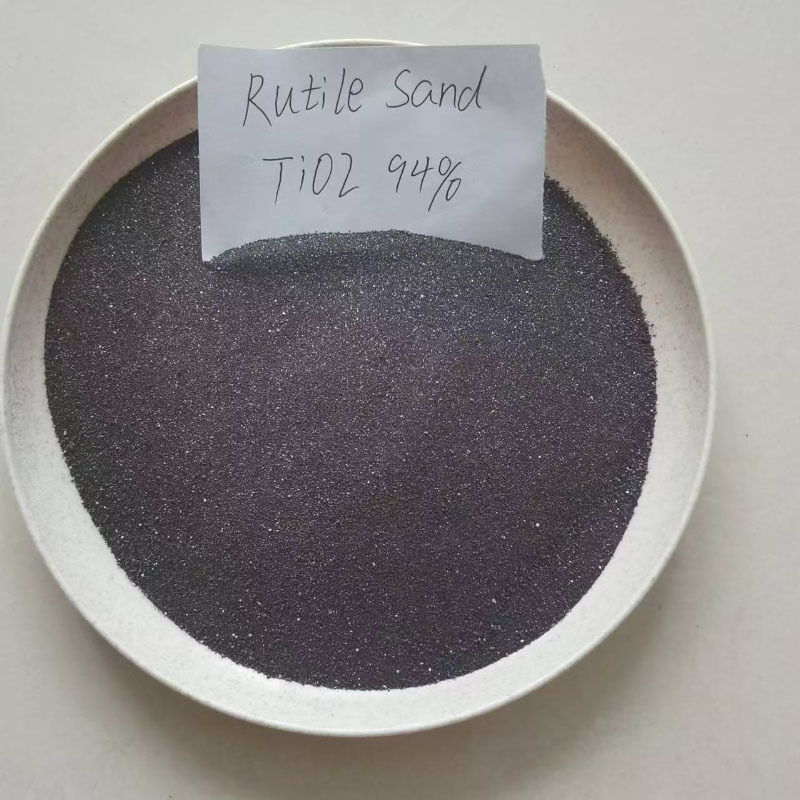
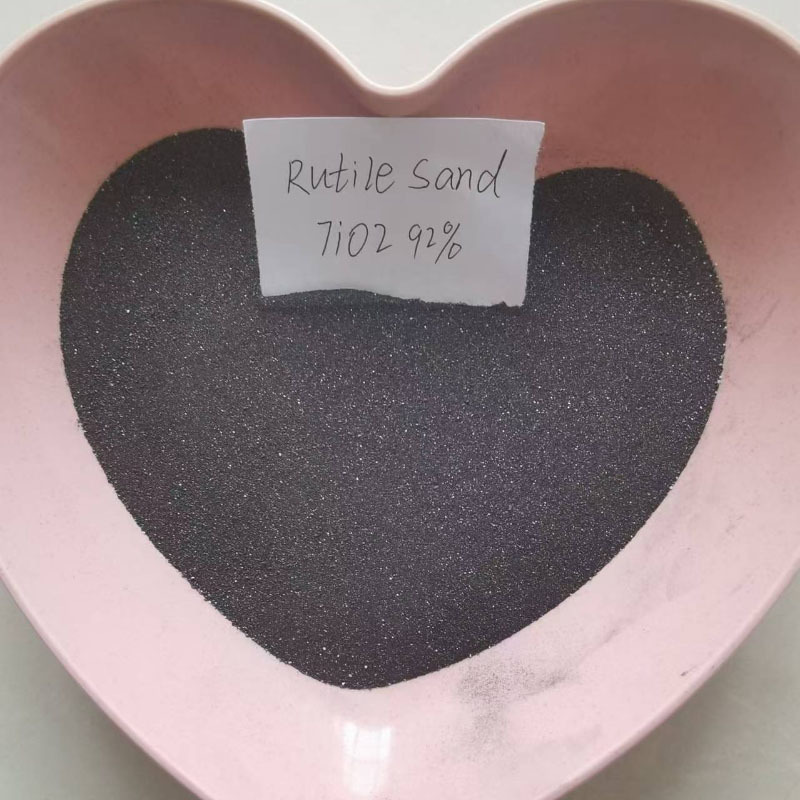
Rutile sand is a naturally occurring mineral composed primarily of titanium dioxide (TiO2). Recognized for its high refractive index and excellent UV resistance, rutile is revered in various industries, including paints, coatings, plastics, and, notably, the chemical sector. The **92% rutile sand** signifies a high purity level, making it particularly valuable for advanced applications.
Unlike other forms of titanium dioxide, rutile exhibits superior thermal stability, chemical inertness, and photocatalytic properties, which are vital for many chemical processes. This unique composition positions rutile sand as a cornerstone for innovation in the chemical industry.
The Role of Rutile Sand in the Chemical Industry
In the chemical industry, rutile sand serves multiple functions. Its primary role is as a key ingredient in the production of titanium dioxide pigments, which are extensively used in paints and coatings due to their brightness and coverage quality. Additionally, rutile sand plays a critical role in producing high-performance composites and advanced ceramics.
With the rise of sustainability concerns, industries are shifting towards using more eco-friendly materials. Rutile sand, particularly at a 92% purity level, meets these demands by providing a sustainable alternative to less environmentally friendly substances. This transition reflects a broader trend towards greener manufacturing practices.
Innovations in 92% Rutile Sand Technology
The advent of **92% rutile sand innovations** stems from advancements in extraction and processing technologies. Modern techniques have enhanced the purity levels achievable during extraction, leading to more efficient and cost-effective production methods. The **innovative processing** techniques not only enhance the purity of rutile but also minimize waste and energy consumption.
Moreover, research is ongoing to explore the potential of rutile sand in other applications, such as nanotechnology and advanced materials science. These innovations are paving the way for rutile sand to become an integral part of future chemical processes, improving efficiency and product quality.
Applications of 92% Rutile Sand in Chemical Manufacturing
The applications of **92% rutile sand** in chemical manufacturing are vast and varied:
1. Paints and Coatings
The most significant application of rutile sand is in the production of high-performance paints and coatings. Rutile provides excellent opacity and brightness, making it a preferred choice for manufacturers aiming for superior finish and durability.
2. Plastics
In the plastic industry, rutile sand is utilized to enhance the mechanical properties and UV resistance of plastic products. It is especially valuable in the production of outdoor and automotive components.
3. Ceramics and Glass
Rutile sand's properties enhance the strength and durability of ceramics and glass products. It is particularly useful in creating high-temperature ceramics used in various applications, including electronics and aerospace.
4. Photocatalytic Applications
The photocatalytic properties of rutile sand open doors for innovations in environmental remediation and energy production. Researchers are exploring its potential in developing self-cleaning surfaces and enhancing solar energy conversion processes.
Benefits of Utilizing 92% Rutile Sand
Employing **92% rutile sand** offers numerous advantages for chemical manufacturers:
1. Enhanced Product Quality
The high purity level of rutile sand ensures that end products exhibit superior quality, leading to reduced defects and improved customer satisfaction.
2. Cost-Effectiveness
Innovations in rutile sand processing have led to more cost-effective production methods. By using high-purity rutile, manufacturers can reduce the amount of additives and fillers needed, ultimately lowering production costs.
3. Sustainability
As industries strive to adopt more environmentally friendly practices, utilizing 92% rutile sand contributes to sustainability goals. Its natural abundance and reduced environmental impact during production make it a preferred choice.
4. Versatility
Rutile sand's broad range of applications makes it a versatile material suitable for various sectors within the chemical industry. Its adaptability enhances the potential for new product developments.
Challenges and Considerations in Adopting New Materials
While the benefits of **92% rutile sand** are significant, there are challenges and considerations to address:
1. Supply Chain Reliability
The supply of high-purity rutile sand can be inconsistent, leading to potential disruptions in manufacturing processes. Establishing reliable supply chains is crucial for manufacturers looking to adopt this innovation.
2. Initial Investment Costs
Implementing new technologies and processes for utilizing rutile sand may require substantial initial investments. Manufacturers must weigh these costs against potential long-term benefits.
3. Regulatory Compliance
As with any new material, compliance with local and international regulations is essential. Manufacturers must ensure that their use of rutile sand adheres to safety and environmental guidelines.
Future Trends in Rutile Sand Innovations
The future of **92% rutile sand** in the chemical industry looks promising. Ongoing research aims to uncover new applications and enhance existing technologies. Some trends to watch include:
1. Nanotechnology
The integration of rutile sand in nanotechnology opens new frontiers in material science. Continued advancements could lead to the development of even more efficient and effective applications.
2. Green Chemistry
As the industry moves towards more sustainable practices, rutile sand will likely play a pivotal role in green chemistry initiatives, reducing reliance on harmful substances and enhancing environmental safety.
3. Global Market Expansion
As awareness of the benefits of rutile sand spreads, its market presence is expected to grow globally. Manufacturers in developing regions may start adopting rutile sand to improve their product offerings and sustainability practices.
FAQs About 92% Rutile Sand Innovations
1. What is rutile sand?
Rutile sand is a naturally occurring mineral primarily composed of titanium dioxide (TiO2), known for its high refractive index and UV resistance.
2. Why is 92% rutile sand considered innovative?
The 92% purity level of rutile sand enhances its applications and effectiveness in various industries, particularly in chemical manufacturing, leading to better product quality and sustainability.
3. What are the main applications of rutile sand in the chemical industry?
Rutile sand is primarily used in paints, coatings, plastics, ceramics, and glass, and has potential applications in photocatalytic processes.
4. How does using 92% rutile sand contribute to sustainability?
Utilizing rutile sand helps reduce environmental impact due to its natural abundance and the reduction of harmful additives in manufacturing processes.
5. What challenges do manufacturers face when adopting rutile sand?
Manufacturers may encounter supply chain reliability issues, initial investment costs, and regulatory compliance challenges when adopting rutile sand.
Conclusion: The Future of Chemical Industries
The transformation of the chemical industry through **92% rutile sand innovations** signifies a monumental shift towards enhanced product quality, cost-effectiveness, and sustainability. As manufacturers embrace this advanced material, they not only improve their offerings but also contribute to a greener, more responsible future for the industry. The ongoing research and innovations surrounding rutile sand will undoubtedly shape the landscape of chemical manufacturing for years to come, positioning it as a pivotal component in advancing sustainable practices. The journey towards full integration of 92% rutile sand is just beginning, and the potential it holds is immense.
Keywords:
You Can Also Learn More About Industry Trends

No. 1-15, Fuzi No. 1, Kailuo Road, Taojia Town, Jiulongpo District, Chongqing
Phone/Whatsapp:
E-mail:
Main Business
Producing Various High-Quality Anatase And Rutile Titanium Dioxide.
Find The Products You Need Quickly
Quick Nav