

How to Seamlessly Integrate Rutile Sand into Your Chemical Product Line for Optimal Performance
Release Time:
Nov 14,2025
How to Seamlessly Integrate Rutile Sand into Your Chemical Product Line for Optimal Performance Table of Contents 1. Introduction to Rutile Sand 2. Benefits of Using Rutile Sand in Chemical Products 3. Applications of Rutile Sand in the Chemical Industry 4. Strategies for Integrating Rutile Sand into Your Product Line 4.1 Conducting Market Research on Rutile Sand 4.2 Sour
How to Seamlessly Integrate Rutile Sand into Your Chemical Product Line for Optimal Performance
Table of Contents
- 1. Introduction to Rutile Sand
- 2. Benefits of Using Rutile Sand in Chemical Products
- 3. Applications of Rutile Sand in the Chemical Industry
- 4. Strategies for Integrating Rutile Sand into Your Product Line
- 4.1 Conducting Market Research on Rutile Sand
- 4.2 Sourcing High-Quality Rutile Sand
- 4.3 Product Development Considerations
- 4.4 Ensuring Regulatory Compliance
- 5. Best Practices for Using Rutile Sand
- 6. Challenges in Integration and Solutions
- 7. Case Studies: Successful Integration of Rutile Sand
- 8. Frequently Asked Questions
- 9. Conclusion
1. Introduction to Rutile Sand
Rutile sand, a primary source of titanium dioxide, is renowned for its versatility and high-performance attributes. Its unique properties make it a valuable additive in various chemical products, ranging from paints and coatings to plastics and cosmetics. As businesses strive for innovation in their product lines, integrating rutile sand offers a pathway to enhanced functionality and sustainability.
2. Benefits of Using Rutile Sand in Chemical Products
Integrating rutile sand into your chemical product line can yield significant benefits, including:
2.1 Enhanced Product Performance
Rutile sand contributes to superior opacity, brightness, and durability in products. Its high refractive index allows for improved light scattering, which is particularly beneficial in paints and coatings.
2.2 Environmental Benefits
As a naturally occurring mineral, rutile sand is a sustainable option compared to synthetic alternatives. Its incorporation can help reduce the overall environmental footprint of your chemical products.
2.3 Cost-Effectiveness
Utilizing rutile sand can lead to cost savings through improved product longevity and performance, reducing the need for frequent replacements or enhancements.
3. Applications of Rutile Sand in the Chemical Industry
Rutile sand finds applications across various sectors:
3.1 Coatings and Paints
In the coatings industry, rutile sand is prized for its ability to provide excellent coverage and UV protection, making it ideal for exterior applications.
3.2 Plastics
Rutile sand enhances the mechanical properties and thermal stability of plastics, ensuring that products withstand rigorous use.
3.3 Cosmetics
In cosmetics, rutile sand is used in formulations for its reflective properties and ability to improve texture, providing a luxurious feel to products.
4. Strategies for Integrating Rutile Sand into Your Product Line
Effectively integrating rutile sand into your chemical product line requires strategic planning:
4.1 Conducting Market Research on Rutile Sand
Understanding market trends and consumer preferences is crucial. Conduct thorough research to identify demand and potential applications for rutile sand in your product line.
4.2 Sourcing High-Quality Rutile Sand
Partner with reputable suppliers to ensure a consistent and high-quality supply of rutile sand. Quality directly impacts product performance, so prioritize sourcing from trusted sources.
4.3 Product Development Considerations
Incorporate rutile sand into the early stages of product development. Adjust formulations to optimize the benefits of rutile sand, focusing on enhancing performance and user experience.
4.4 Ensuring Regulatory Compliance
Stay informed about relevant regulations regarding the use of rutile sand in chemical products. Ensuring compliance will streamline your integration process and build consumer trust.
5. Best Practices for Using Rutile Sand
Utilizing rutile sand effectively requires adherence to best practices:
5.1 Quality Control
Implement rigorous quality control measures to monitor the characteristics of rutile sand throughout the production process. This ensures consistency and product reliability.
5.2 Testing and Evaluation
Conduct thorough testing of products containing rutile sand to evaluate performance attributes. Gathering feedback from end-users can provide insights for further improvement.
5.3 Continuous Improvement
Stay open to feedback and continuously seek ways to enhance the integration process. Innovation should be an ongoing goal as market demands evolve.
6. Challenges in Integration and Solutions
Integrating rutile sand into your chemical product line can present challenges, but they are manageable:
6.1 Supply Chain Disruptions
Supply chain issues may arise due to sourcing challenges. Establish strong relationships with multiple suppliers to mitigate risks associated with reliance on a single source.
6.2 Performance Variability
Variability in rutile sand quality can affect final product performance. Implement strict quality assurance procedures to minimize this risk.
7. Case Studies: Successful Integration of Rutile Sand
To illustrate the successful integration of rutile sand, consider the following examples:
7.1 Case Study: A Leading Paint Manufacturer
A prominent paint manufacturer incorporated rutile sand into their exterior paint line, resulting in a significant increase in UV resistance and customer satisfaction.
7.2 Case Study: A Plastic Product Innovator
A plastic manufacturer utilized rutile sand to enhance their product’s thermal stability, leading to increased market competitiveness and improved sales.
8. Frequently Asked Questions
8.1 What is rutile sand?
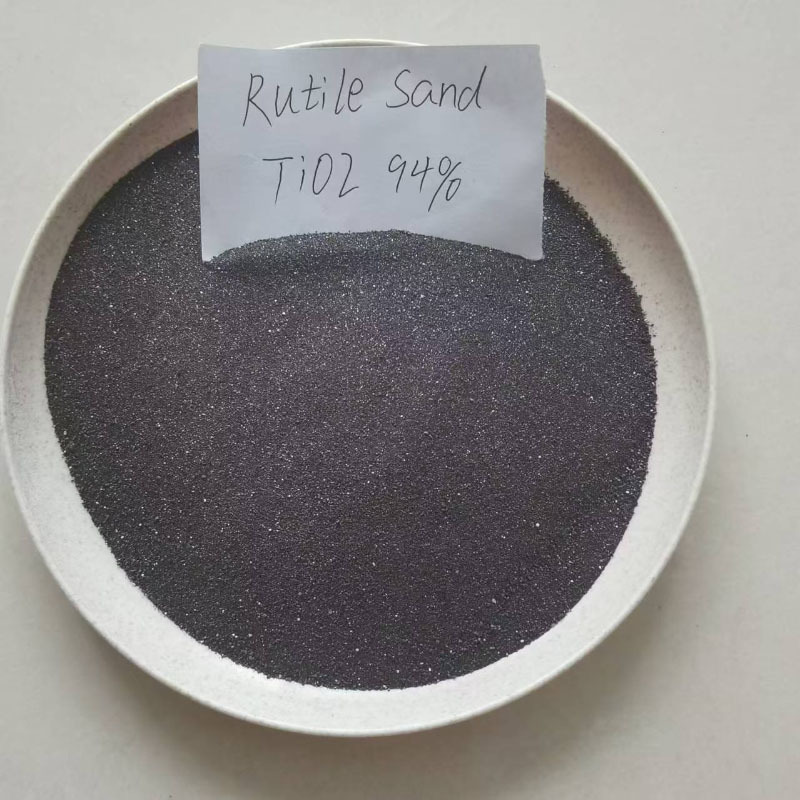
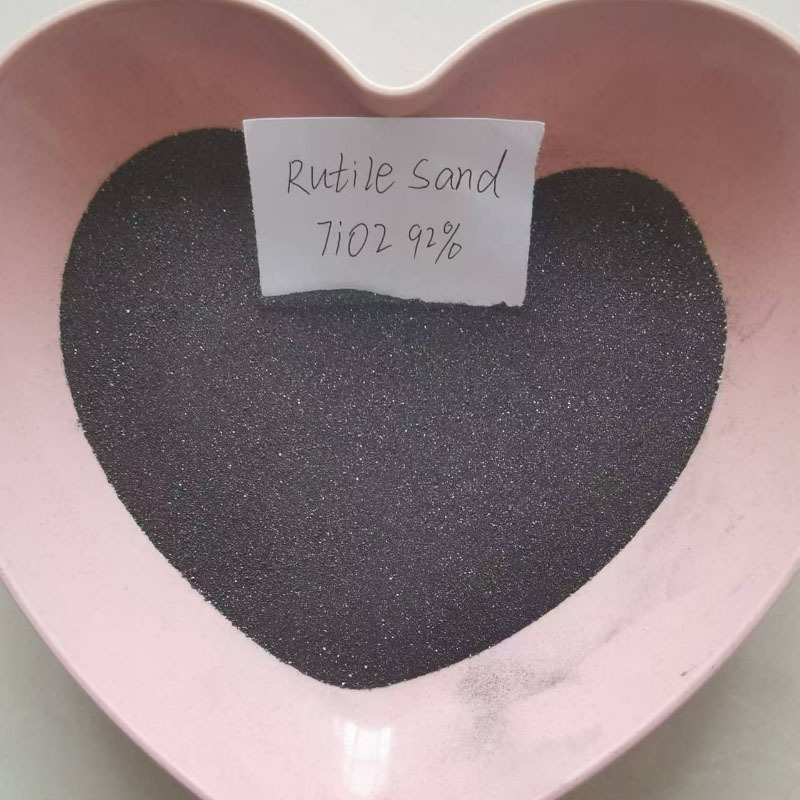
Rutile sand is a naturally occurring mineral composed primarily of titanium dioxide, known for its high refractive index and excellent performance characteristics.
8.2 How does rutile sand improve product performance?
Rutile sand enhances opacity, brightness, and durability, making products more appealing and longer-lasting.
8.3 Is rutile sand environmentally friendly?
Yes, rutile sand is a natural mineral, making it a more sustainable option compared to synthetic alternatives.
8.4 How can I ensure the quality of rutile sand?
Partnering with reputable suppliers and implementing strict quality control measures can help ensure consistent quality.
8.5 What industries can benefit from rutile sand integration?
Industries such as coatings, plastics, and cosmetics can significantly benefit from integrating rutile sand into their product lines.
9. Conclusion
Integrating rutile sand into your chemical product line opens up a world of possibilities for enhancing product performance, sustainability, and market competitiveness. By understanding its benefits, applications, and effective integration strategies, businesses can leverage this valuable material to meet evolving consumer needs and stand out in the competitive landscape of the chemical industry. Embrace the potential of rutile sand today to drive innovation and success in your product offerings.
Keywords:
You Can Also Learn More About Industry Trends

No. 122, Xinjian Road, Tongguanyi Town, Jiulongpo District, Chongqing City,China
Phone/Whatsapp:
E-mail:
Main Business
Producing Various High-Quality Anatase And Rutile Titanium Dioxide.
Find The Products You Need Quickly
Quick Nav