

Understanding Rutile Sand 90%: Key Insights for Professionals in the Chemical Industry
Release Time:
Nov 21,2025
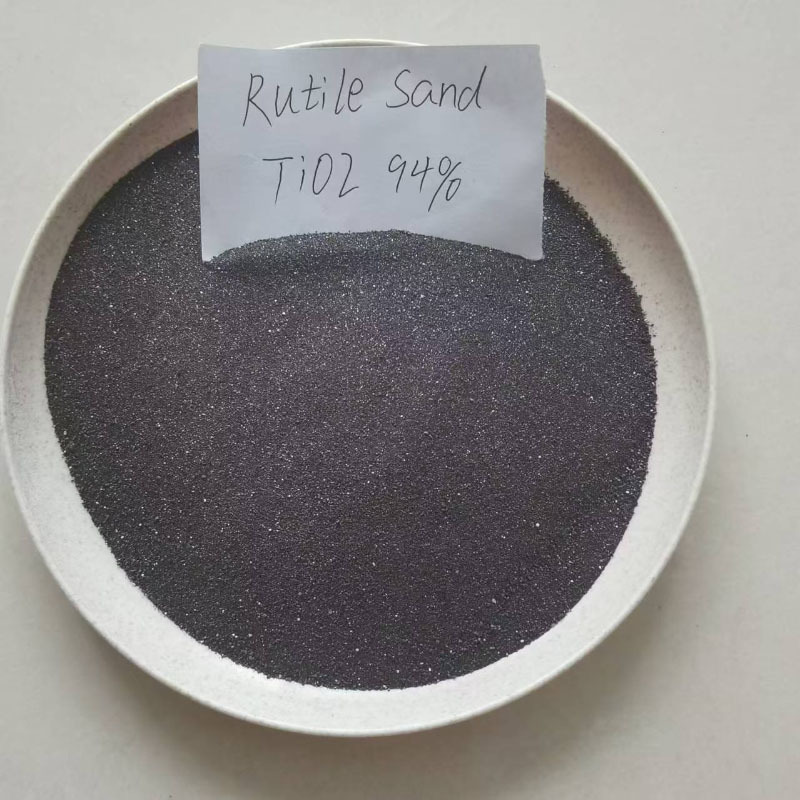
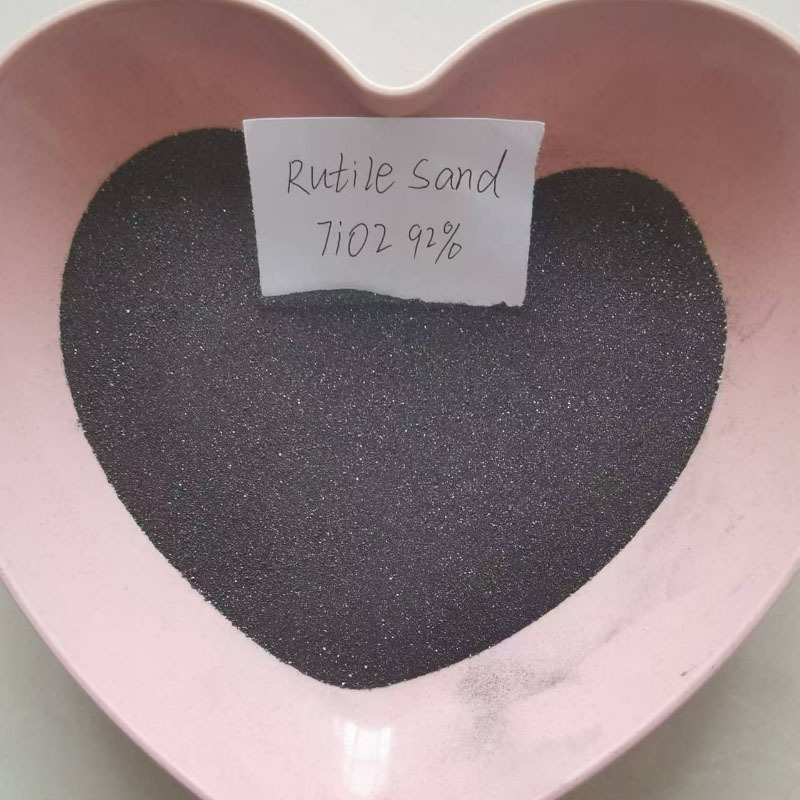
Rutile Sand 90% is a high-purity titanium dioxide mineral that is increasingly recognized for its versatility and essential role in various industrial applications. Comprising predominantly rutile, this mineral is a naturally occurring form of titanium dioxide, characterized by its high refractive index and excellent opacity. For professionals in the chemical industry, understanding the properties
One of the primary advantages of Rutile Sand 90% is its superior chemical stability, making it an ideal choice for various chemical processes. With a significant presence in the production of pigments, it is widely utilized in coatings, plastics, and papermaking. The high refractive index of Rutile Sand allows for the creation of vibrant colors and improved opacity in finished products, thereby enhancing their market appeal.
In addition to its role in pigments, Rutile Sand 90% is also essential in the production of titanium metal, which is known for its strength-to-weight ratio and resistance to corrosion. This makes it a valuable material in industries such as aerospace, automotive, and medical devices. The demand for titanium metal is growing, and Rutile Sand serves as a primary feedstock in this process, offering professionals insight into market trends and opportunities.
Furthermore, the use of Rutile Sand 90% extends to the field of ceramics, where it enhances the mechanical properties and thermal stability of ceramic products. Its incorporation in ceramic formulations can improve strength and reduce shrinkage during firing, which is particularly advantageous for manufacturers seeking high-performance materials.
From an environmental perspective, Rutile Sand 90% is also noteworthy. Its extraction and processing are subject to regulations that promote sustainable practices, thereby appealing to environmentally conscious consumers and businesses. Professionals should be aware of the sustainability aspects related to Rutile Sand, as they can influence purchasing decisions and market positioning.
In conclusion, Rutile Sand 90% stands out as a critical material within the chemical industry, offering a blend of performance, versatility, and sustainability. By familiarizing themselves with its properties and applications, professionals can leverage this knowledge to innovate and adapt in a rapidly evolving market landscape. Embracing the potential of Rutile Sand 90% will not only enhance product offerings but also contribute to the overall growth and sustainability of the chemical sector.
Keywords:
You Can Also Learn More About Industry Trends

No. 122, Xinjian Road, Tongguanyi Town, Jiulongpo District, Chongqing City,China
Phone/Whatsapp:
E-mail:
Main Business
Producing Various High-Quality Anatase And Rutile Titanium Dioxide.
Find The Products You Need Quickly
Quick Nav