

Risks in titanium dioxide industry emerge, domestic competition is fierce
Release Time:
Aug 22,2024
There are two methods for producing titanium dioxide: sulfuric acid method and chlorination method.
There are two methods for producing titanium dioxide: sulfuric acid method and chlorination method. The raw materials required for the sulfuric acid method are titanium concentrate, titanium slag and sulfuric acid. Its advantages are: mature technology, simple equipment, easy to solve anti-corrosion materials, and can produce leap-titanium type titanium dioxide that the chlorination method cannot produce but is needed by the market. Disadvantages are: long process, can only be mainly intermittent operation; wet operation, high consumption of sulfuric acid and water, many wastes and by-products, serious environmental pollution, each ton of finished titanium dioxide will discharge 8 tons of waste acid and more than 3 tons of ferrous sulfate, and a large amount of sewage; and the quality of the titanium dioxide produced is relatively poor.
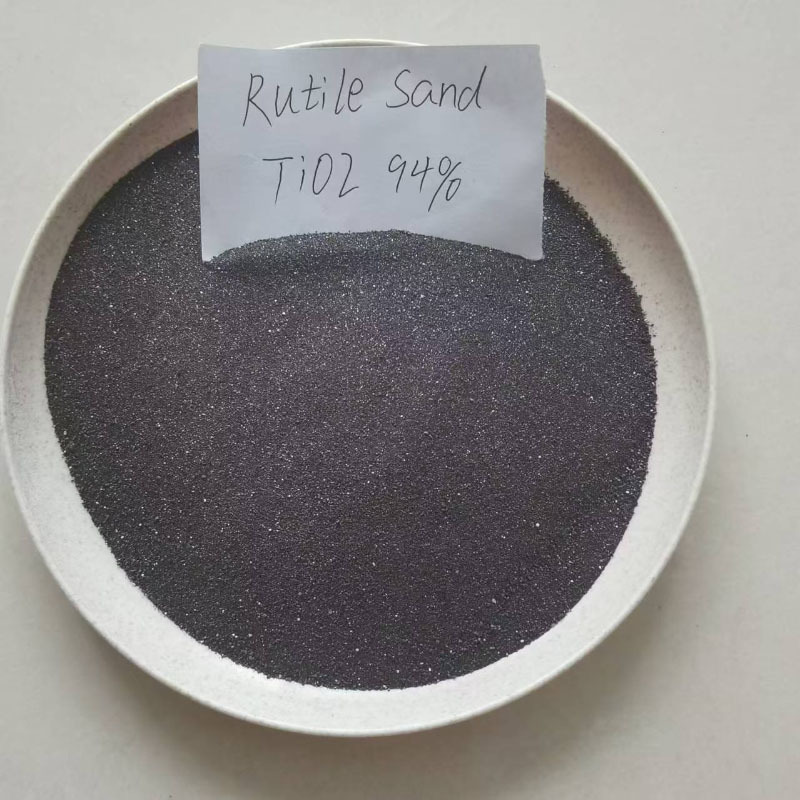
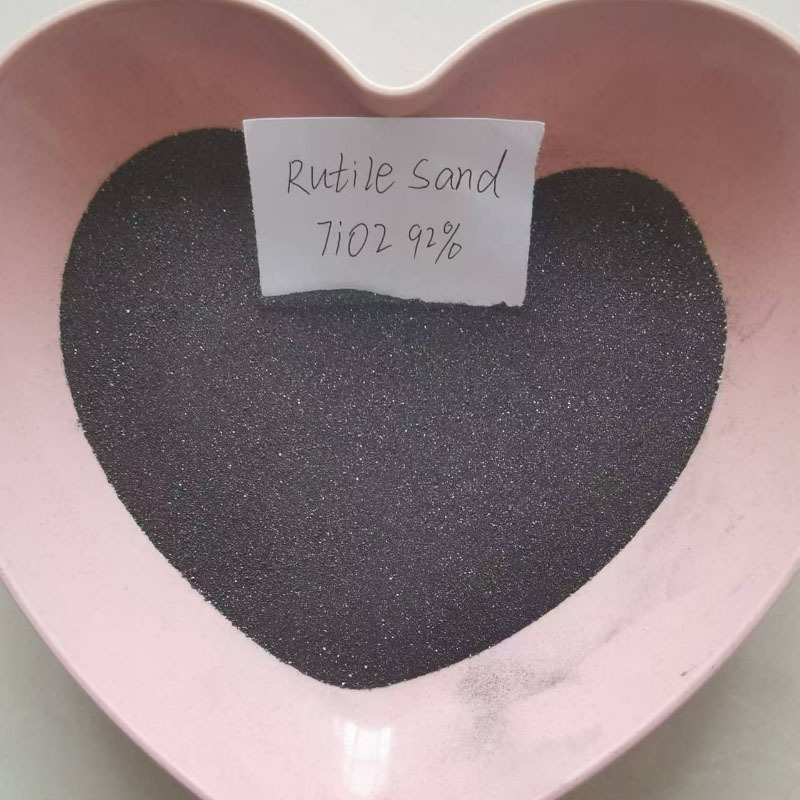
The main raw materials required for the chlorination method are rutile or high-titanium slag and coke. Its advantages are: short process, easy to expand production capacity, high degree of continuous automation, relatively low energy consumption, less "three wastes", and can obtain high-quality products. Disadvantages are: large investment, complex equipment structure, high requirements for materials, high temperature resistance and corrosion resistance, difficult maintenance of equipment, and difficult research and development.
After 1992, the chloride process replaced the traditional sulfuric acid process and occupied the leading position in the production of titanium dioxide. In the field of high-end products, chloride titanium dioxide has its unique quality advantages and its role is difficult to replace by sulfuric acid products. At present, there is no sulfuric acid product in the international market that can compete with the top chloride products in terms of surface appearance, weather resistance and dispersibility. The production of chloride titanium dioxide is technically difficult and is basically monopolized by a few large companies. DuPont, the industry leader, uses the chloride process. Data at the end of 2006 showed that except for one chloride titanium dioxide enterprise, Jinzhou Titanium Industry Co., Ltd. of Panzhihua Iron and Steel Group, all others were sulfuric acid production enterprises. The technical level of my country's titanium dioxide enterprises is generally low, and they can only produce low-level products. High-end products still rely on imports.
Keywords:
You Can Also Learn More About Industry Trends

No. 122, Xinjian Road, Tongguanyi Town, Jiulongpo District, Chongqing City,China
Phone/Whatsapp:
E-mail:
Main Business
Producing Various High-Quality Anatase And Rutile Titanium Dioxide.
Find The Products You Need Quickly
Quick Nav